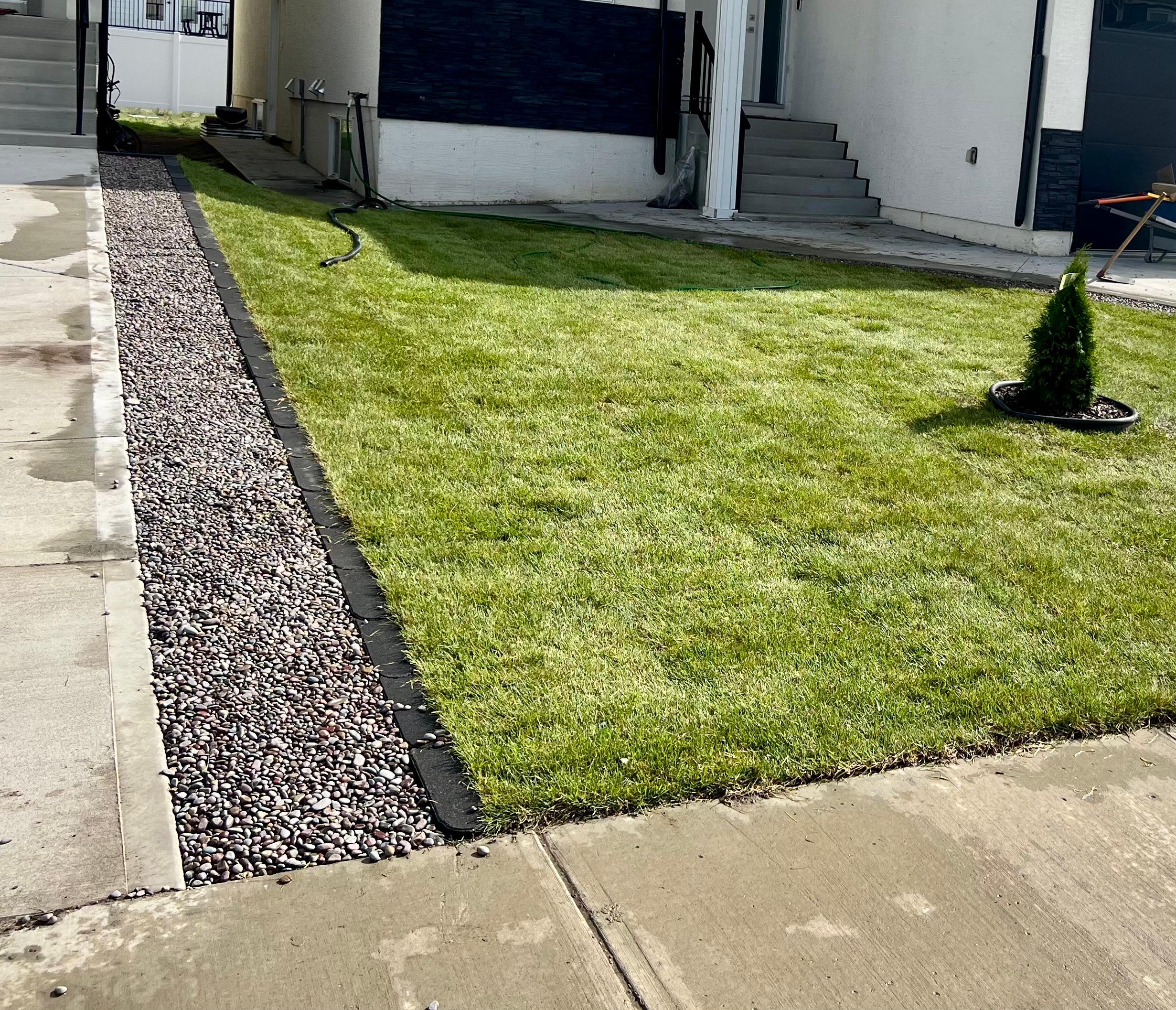
Best mowing practices
Cut at the right height and timing to keep turf thick, green, and resilient through summer heat.
Explore lawn mowing options
Green Wolf Maintenance & Landscaping Inc.
Library
Use practical local guides to understand mowing, weeds, lawn stress, and insect concerns before you spend money on treatment.
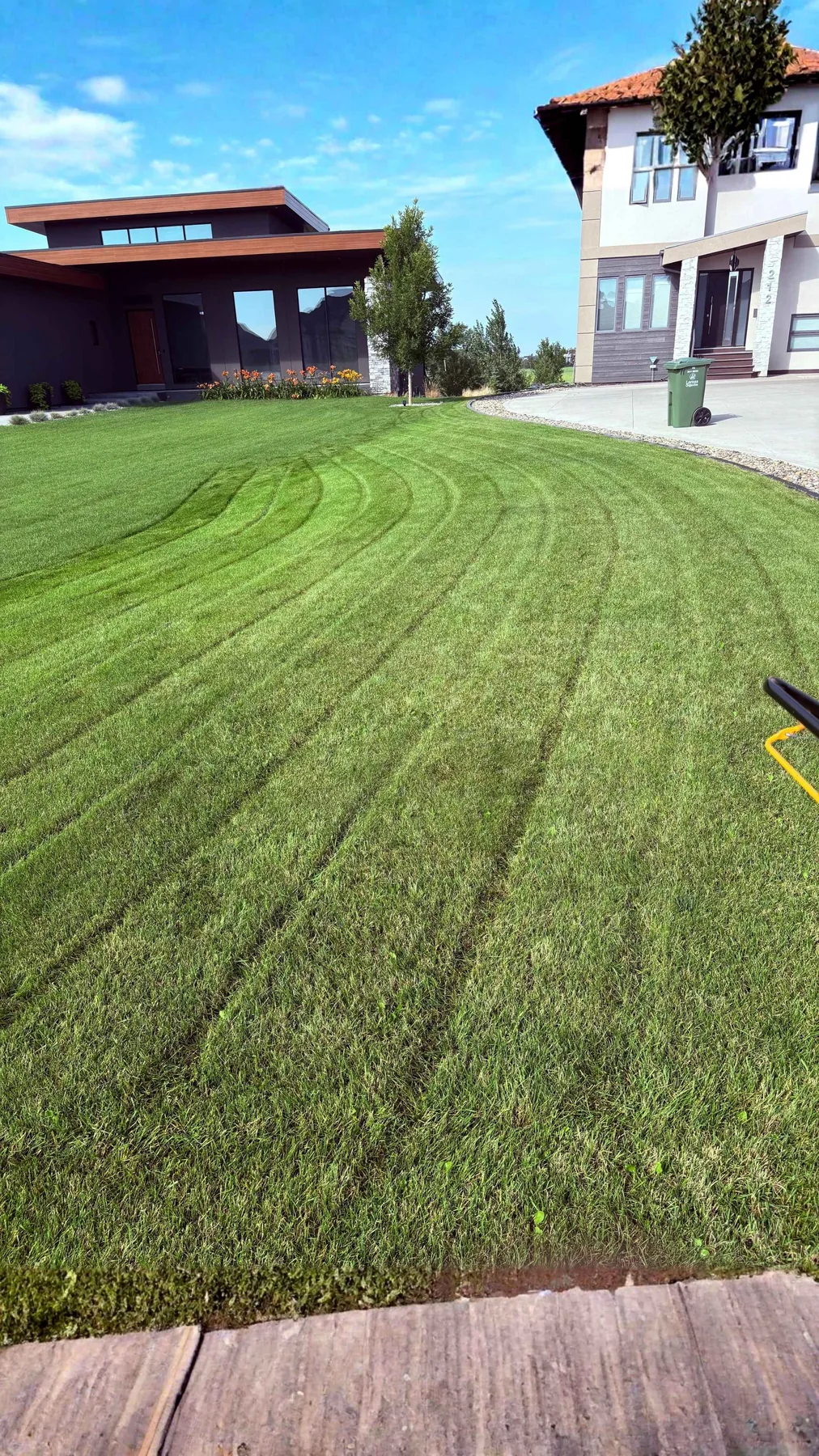
Review the likely causes before choosing fertilizer, weed control, pest treatment, or recovery work.
Cut at the right height and timing to keep turf thick, green, and resilient through summer heat.
Explore lawn mowing options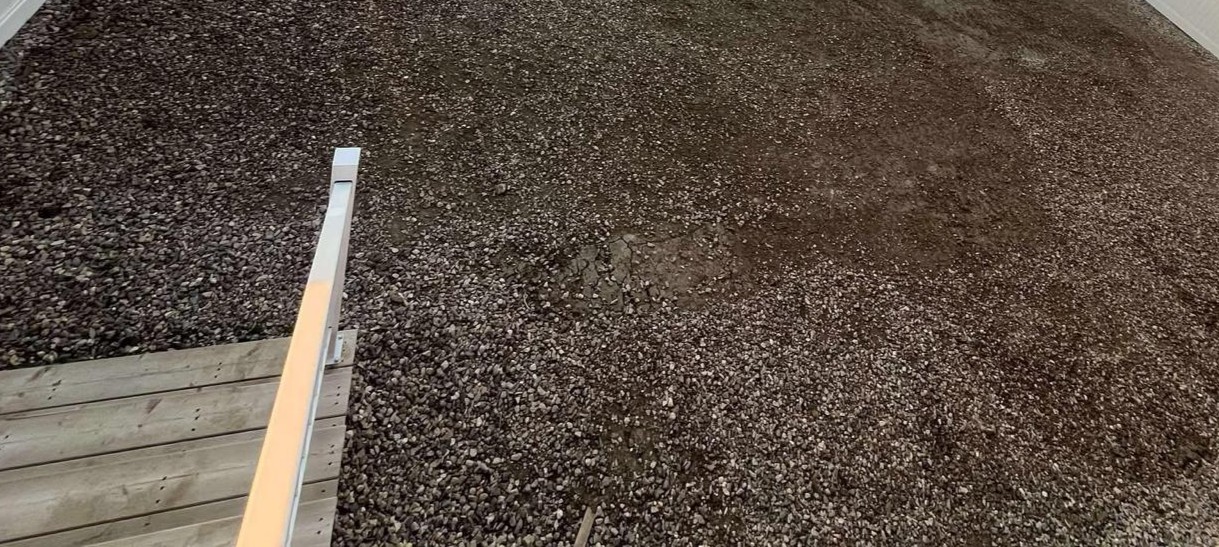
Identify what is growing, review the lawn's condition, and choose the right timing before treating.
Explore weed control options
Spot early warning signs like thinning, patching, or discoloration before they become expensive fixes.
Review lawn stress checks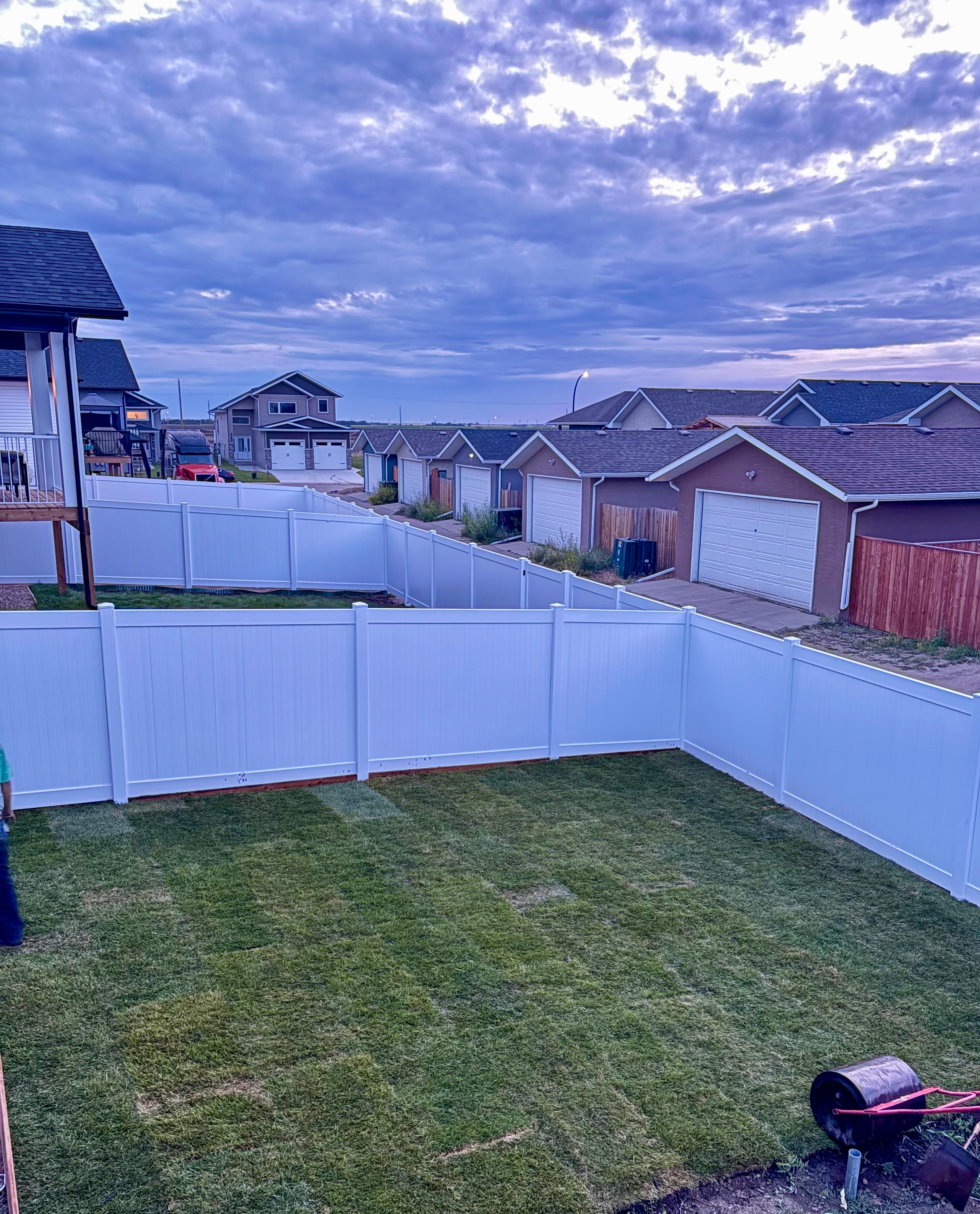
Yellow or thin turf can come from insects, drought, irrigation gaps, soil conditions, or mowing stress. Start with the full pattern.
Ask for a lawn assessment
Look closely at blades, thatch, crowns, and the soil surface. Note where damage starts and whether live insects are actually present.
Ask about lawn inspection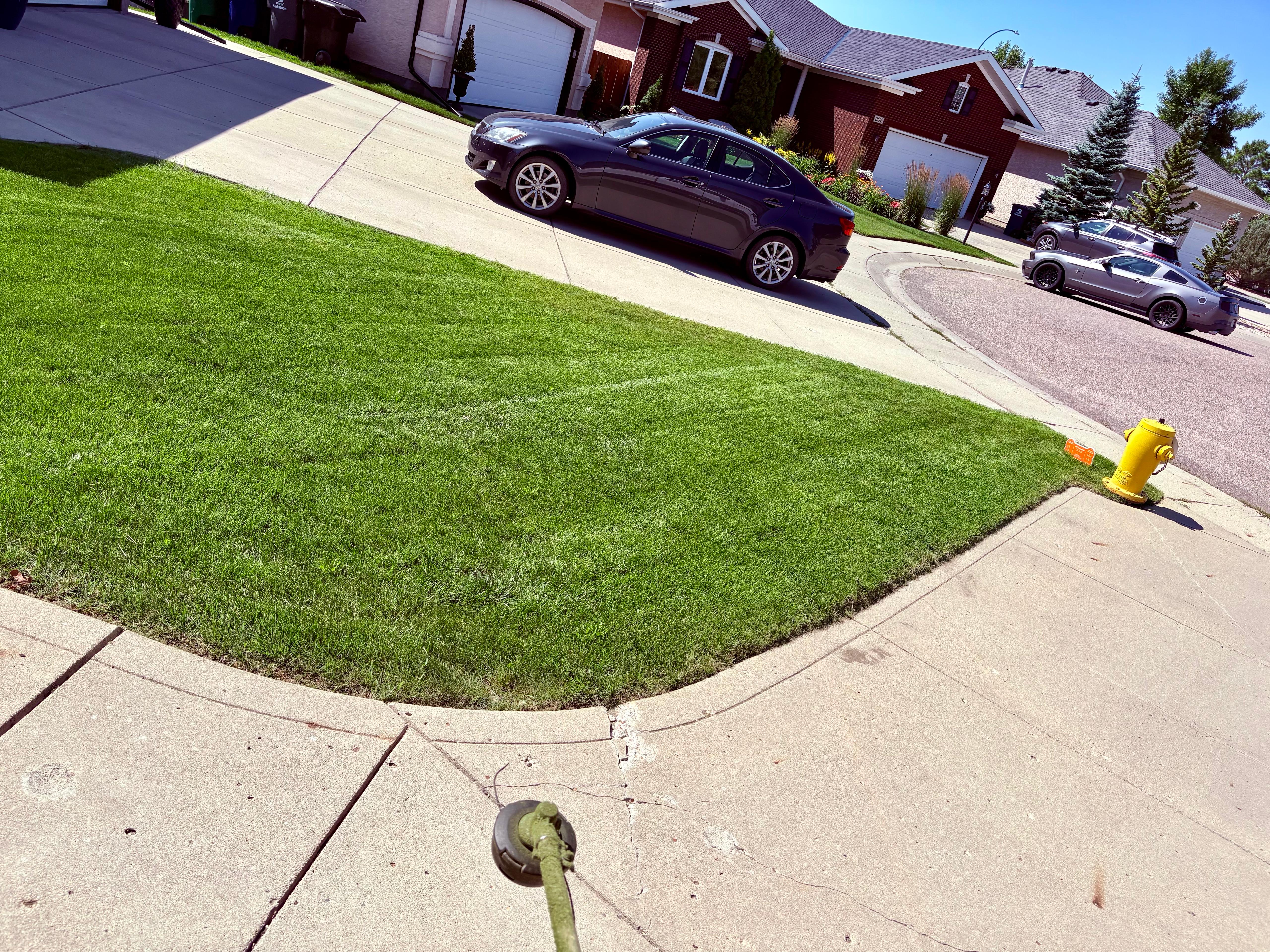
Match the next step to what the inspection finds. Unnecessary pest treatment wastes money and will not fix watering, soil, or mowing problems.
Discuss the right next step
Mow often enough that each visit removes only a modest amount of growth. Cutting too much at once can leave the lawn stressed and uneven.
Compare lawn care paths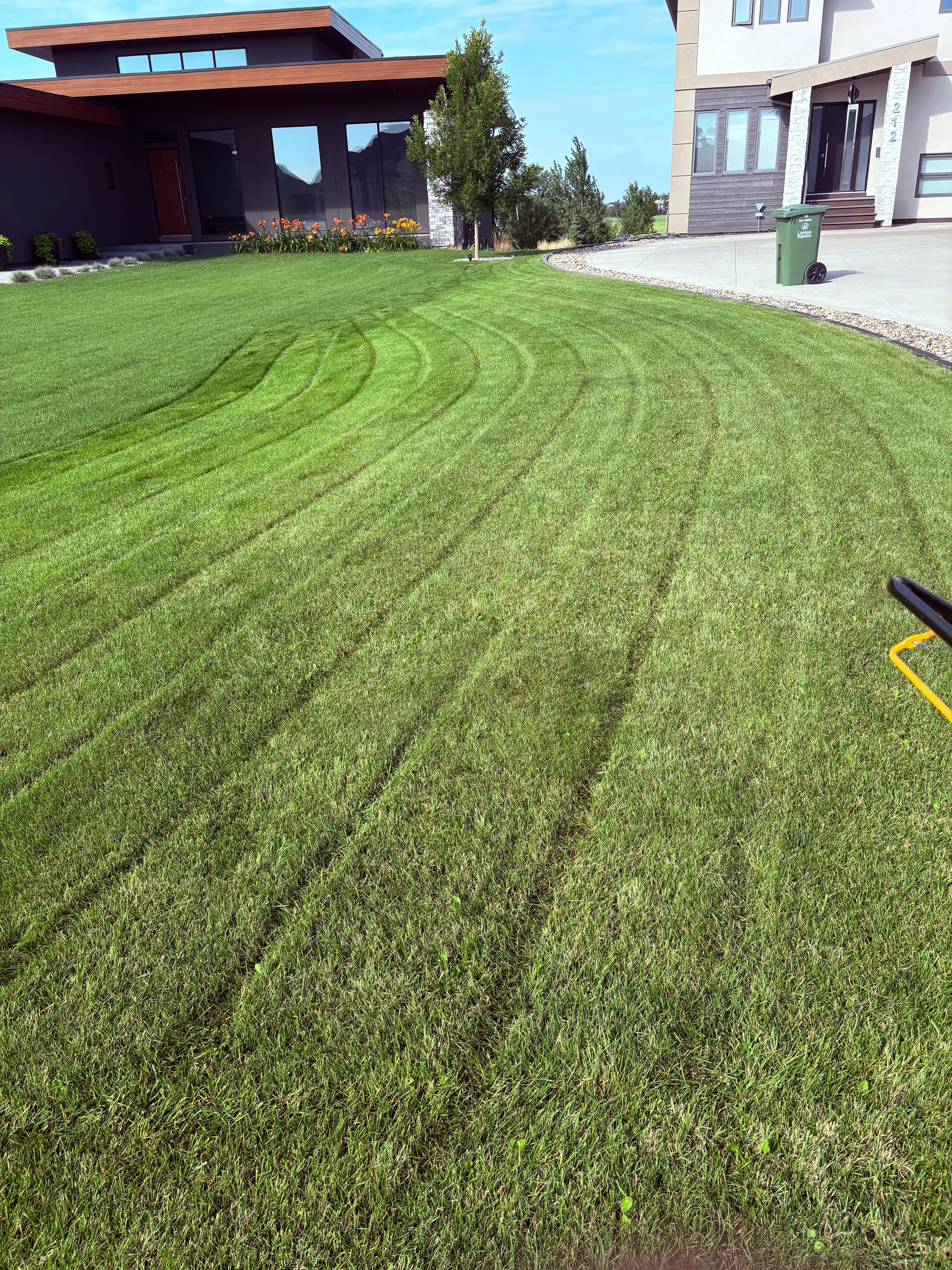
Colour and density can vary because of water, shade, soil, mowing, or nutrition. Check the full pattern before choosing fertilizer or another treatment.
Explore lawn treatment options
Curved beds, trees, fences, and hard surfaces need controlled trimming and cleanup so the lawn looks finished without damaging nearby plants or edging.
Explore mowing services
Thin, brown, or discoloured turf can have several causes. Note where it appears before choosing a treatment.
Ask about visible lawn stress
Watering, mowing height, compaction, shade, and nutrition can all create similar-looking stress.
Request a lawn assessment
Confirm the likely cause first, then match the timing of aeration, seeding, feeding, or weed control.
Plan lawn recovery
Different weeds and lawn problems need different responses. Start with clear close-up photos and note where the growth appears.
Explore weed control options
Weeds often take advantage of thin or stressed turf. Review mowing, moisture, shade, compaction, and bare areas as part of the plan.
Compare lawn care paths
A useful quote should explain the recommended treatment, timing, and lawn-care steps that help healthier turf fill open space.
Plan weed control follow-upUse these quick references to plan snow service and prepare your property before a crew arrives.